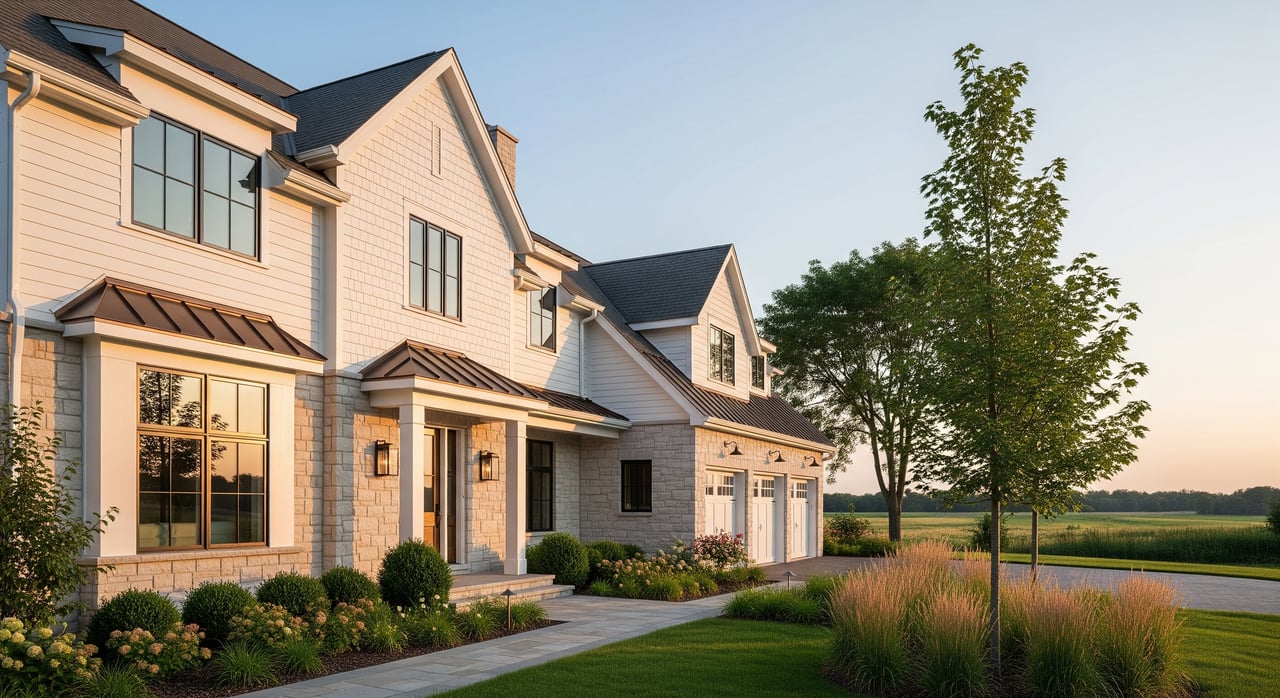
A low appraisal can cost you money and momentum. If you are selling in Germantown, you want a smooth valuation that supports your contract price and keeps your closing on track. With a little planning, you can help the appraiser see your home’s true value and be ready if the number comes in short. This playbook walks you through what to do before listing, on appraisal day, and after the report arrives. Let’s dive in.
Appraisals 101 in Germantown
For financed purchases, the buyer’s lender orders the appraisal to confirm collateral value. Appraisers use standardized forms and must document the property’s features, condition, and comparable sales in a detailed report. You can review what is typically included in the report through Fannie Mae’s overview of appraisal forms and exhibits.
Appraisers weigh recent local sales most heavily. When prices or inventory are shifting, there is a higher chance of a gap between contract and appraised value. Fannie Mae’s guidance on the neighborhood section explains why nearby, truly comparable homes matter most in the analysis.
Market context also comes up in negotiations. Buyers and lenders look at assessed values and tax bills, so have accurate figures ready from county or village records. Your agent can help you pull the right parcel details and comps.
What appraisers look for
- Accurate square footage and bed/bath counts. Small errors in gross living area can change value. Review your measurements and floor plan before listing.
- Overall condition and obvious repairs. Roof life, HVAC age, foundation, moisture, and safety items affect value. A simple prep checklist can help you get the home appraisal-ready.
- Recent, nearby comparable sales. Appraisers prefer closed sales from the same market area and similar homes. Fannie Mae explains how location and comparability influence the comp set.
- Permits and documentation for major work. Unpermitted additions or system changes can trigger adjustments or lender-required fixes.
- Features local buyers value. Functional upgrades like a usable garage, refreshed entry, finished lower level, and updated kitchens or baths can help you compete.
Germantown value drivers and red flags
Germantown sellers often see strong returns from clean curb appeal and clear, usable space. Exterior updates like a fresh front entry and tidy landscaping tend to be cost-effective projects with solid payback, according to national Cost vs. Value trends.
Watch for items that can pull value down. Missing or open permits, visible deferred maintenance, and location factors like floodplain or easements can require adjustments. Resolve code or condition issues early and gather your permit history so the appraiser can verify improvements.
Your step-by-step seller playbook
6–8 weeks before listing
- Consider a pre-listing inspection, especially for older homes or if you suspect deferred maintenance. You control timing and repairs instead of negotiating under pressure.
- Decide if you need a pre-listing appraisal. Your agent’s CMA is usually enough, but a third-party opinion can help in unique situations.
- Gather documentation. Create a one-page summary of improvements, dates, and costs, and collect permits and receipts so the appraiser can verify upgrades.
- Prioritize high-ROI refreshes. Focus on curb appeal, paint, hardware, lighting, and minor kitchen updates. Cost vs. Value data shows exterior entry projects often recoup a strong share of cost.
2–3 weeks before listing
- Clean, declutter, and stage for clear sightlines. Make mechanicals easy to access and label visible system dates where possible. A simple appraisal checklist can keep you on track.
- Prep a comps packet with your agent. Include 3–6 recent, nearby sales that mirror your home’s size, age, and features, plus notes on why they are comparable. Fannie Mae’s neighborhood guidance shows why this matters.
- Confirm permit records. If you completed renovations, ensure final inspections are closed and documents are handy for the appraiser.
Appraisal day
- Have your agent meet the appraiser or provide easy access. Keep conversation brief and focused on facts. Share your improvements summary and comps packet.
- Make everything accessible. Ensure clear access to the basement, attic, electrical panel, furnace, water heater, and garage. Tidy spaces make measuring and photos faster.
- Provide proofs. Include dates and costs for roof, windows, HVAC, and any additions, plus surveys or sketches if you have them.
After the appraisal
Most reports arrive within 3 to 10 business days, depending on volume. If the value supports your contract, you proceed to the next milestone. If it comes in low, you have options to resolve the gap.
If the appraisal comes in low
Check for factual errors
Start by reviewing the report for mistakes. Verify square footage, bed/bath counts, condition, and that your permitted improvements are included. Correcting clear errors is often the fastest path to a revised value.
Request a Reconsideration of Value
If strong comps were missed or facts are wrong, the buyer can ask the lender to submit a Reconsideration of Value. Lenders follow defined ROV procedures that allow additional comparable sales and documentation for review.
Bridge the gap
Common solutions include a price reduction to the appraised value, the buyer covering part or all of the difference in cash, a split of the gap, or a lender-ordered review. Each path depends on your contract terms and market leverage.
Review contingency language
If your contract has an appraisal contingency, the buyer may renegotiate or cancel if value falls short. Without that contingency, the buyer typically needs to make up the difference or find another strategy with their lender.
Decide when to push back
Accept the appraisal when it reflects the market and solid comps. Consider a dispute or ROV when there are clear factual errors, stronger omitted comps, or methodology issues. Fannie Mae’s appraisal quality guidance outlines what makes a credible challenge.
One-page checklist for sellers
- Before listing: gather permits, receipts, surveys, and an improvements summary; plan high-ROI refreshes; consider a pre-listing inspection if condition is uncertain.
- Appraisal day: present a comps packet and improvements summary; ensure clear access to systems and storage areas; keep rooms tidy for photos and measurement.
- If low: review for errors; ask the lender to submit an ROV with better comps; negotiate price, credits, or buyer cash.
Local resources
- Village of Germantown Planning & Zoning for permits, zoning, and floodplain information.
- Washington County “Who is my assessor?” page to find parcel records and assessment contacts.
Ready to sell with confidence?
You do not have to leave your appraisal to chance. With smart prep, the right comps, and a calm plan for next steps, you can protect your price and your timeline. If you want a tailored strategy for your Germantown sale and a hands-on partner from prep to closing, connect with Kurtin Ryba Group.
FAQs
What should Germantown home sellers do the week before an appraisal?
- Tidy and declutter, label visible system ages, ensure clear access to the basement, attic, and mechanicals, and have a one-page improvements summary and recent comps ready for the appraiser.
How do appraisers choose comparable sales in Germantown?
- They prioritize recent, nearby closed sales of homes similar in size, age, condition, and features, following lender guidance that favors the immediate neighborhood when possible.
Which quick upgrades can boost an appraisal in Washington County?
- Focus on curb appeal, fresh paint, lighting, and minor kitchen or bath refreshes, since exterior entry projects often offer strong cost recovery and make a great first impression.
How long does the appraisal process take from inspection to report?
- Turnaround is often 3 to 10 business days, depending on local workload and lender review timelines.
What are my options if the Germantown appraisal comes in below the contract price?
- You can correct factual errors, ask the lender for a Reconsideration of Value with stronger comps, renegotiate price or credits, or have the buyer bring additional cash to closing.