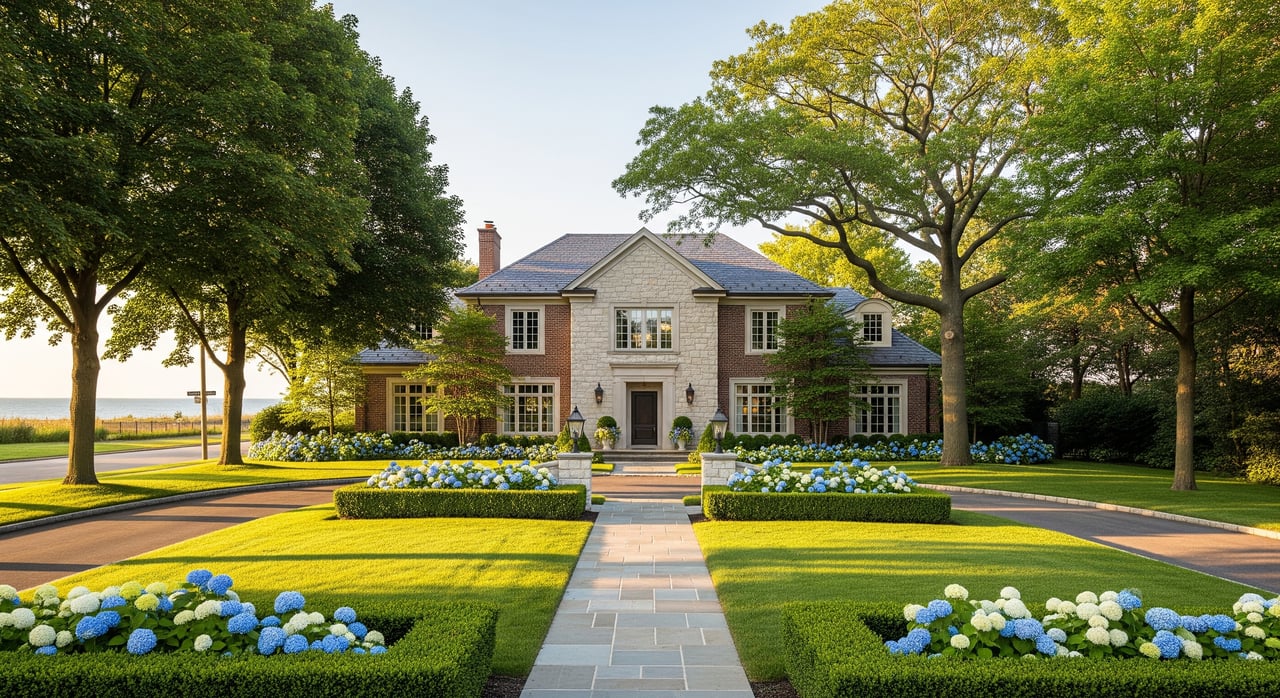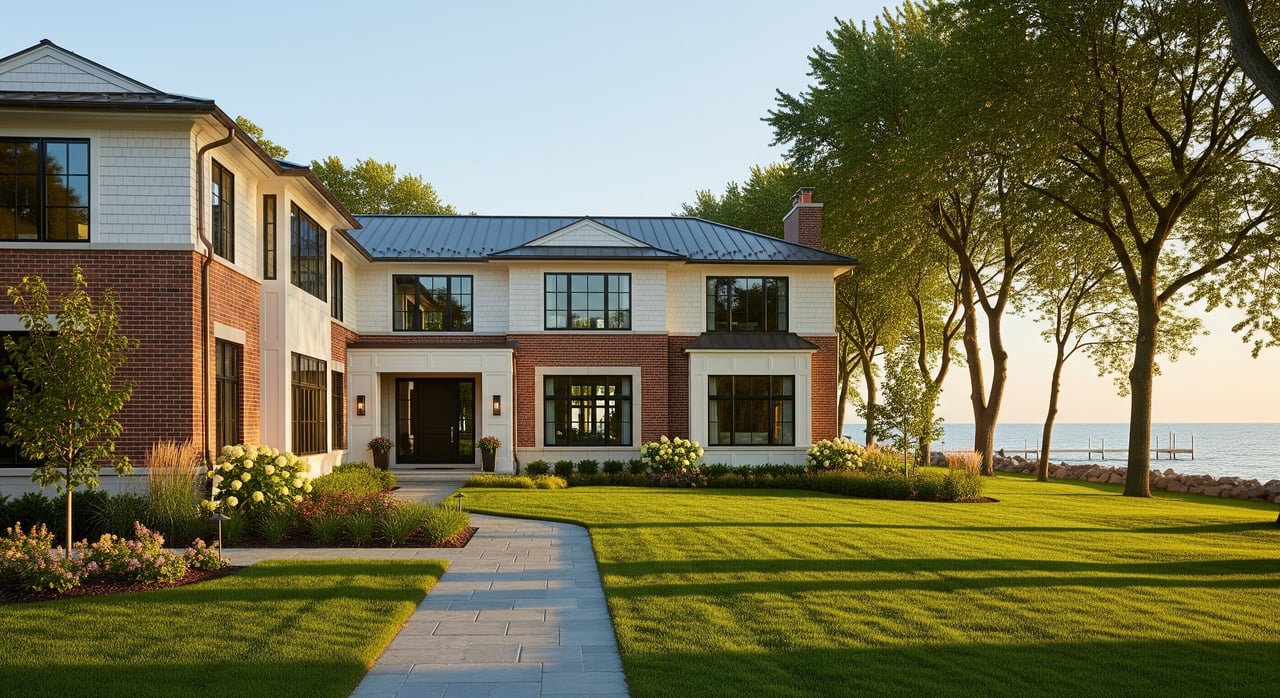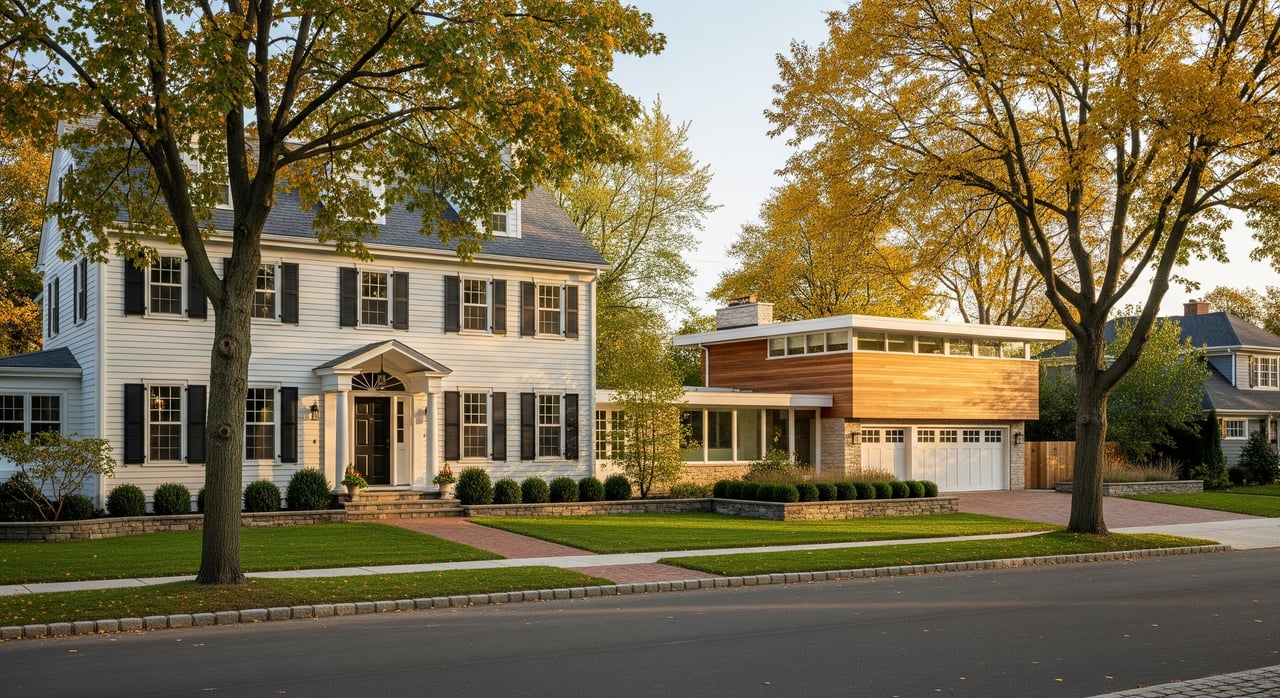
Thinking about a Colonial or a ranch for your next Cedarburg home? Both styles show up across the city and Ozaukee County, and each brings a different day-to-day experience. You want the look and layout that fits your lifestyle, plus a home that handles Wisconsin winters and future upgrades well. This guide breaks down how each style performs here, so you can choose with confidence. Let’s dive in.
Cedarburg context that matters
Cedarburg’s core has many older homes near downtown, including 19th- and early-20th-century houses with Colonial Revival influences. You will also find many mid-century ranch and split-level homes on larger suburban lots around the edges of the city and across the county. Newer construction tends to cluster in outlying neighborhoods with a mix of ranch, one-and-a-half-story, and two-story plans.
If you are considering exterior changes near the historic district, expect design review for visible modifications. Interior updates typically face fewer restrictions, but it is smart to confirm local rules before planning. Utility setups vary too. Many in-town homes have municipal water and sewer, while rural parcels may rely on wells and septic.
Colonial vs. ranch: the basics
Colonial characteristics
- Two full stories with a central hall and staircase.
- Symmetrical façade is common in Colonial Revival examples.
- Formal living and dining rooms, with bedrooms usually upstairs.
- Older homes may have smaller closets and a defined room layout.
Ranch characteristics
- Single-story living with a low roofline and wide footprint.
- Often includes an attached garage and easy backyard access.
- Many have more open plans, especially after renovations.
- Full basements are common and can add flexible space.
Renovation flexibility
Colonial renovation patterns
- Main-floor suite: Often a moderate to major project. You may reconfigure first-floor rooms or build a rear or side addition to add a full bath and bedroom on the main level.
- Kitchen modernization: Many remodels keep the central hall, then open or expand the kitchen at the rear, sometimes with an addition.
- Vertical mobility: Elevators or chairlifts are possible, but elevators require structural planning and are a major investment.
Ranch renovation patterns
- Accessibility upgrades: Door widening and roll-in showers are typically more straightforward since everything is on one level.
- Extra living area: Finishing the basement can create a second living zone without changing the roofline.
- Open layouts: Removing non-load-bearing walls can be simple. Larger openings may require engineered beams, especially under long roof spans.
Aging in place and accessibility
If you want to avoid stairs, a ranch is usually the easier starting point. Single-level circulation supports universal design, such as zero-step entries, wider hallways, and accessible baths. Attached garages and direct backyard access also help with mobility.
Colonials often place bedrooms upstairs, so main-floor living takes planning. You might prioritize a Colonial that already has a main-floor suite or budget for remodeling. Interim solutions like stairlifts can help, but they do not solve needs across the kitchen, laundry, and bathrooms.
Winter, maintenance, and systems
Wisconsin winters affect both styles. Lower-pitched ranch roofs can collect more snow, so good attic insulation, ventilation, and air sealing are essential to reduce ice-dam risk. Steeper Colonial roofs may shed snow faster, but roof age and flashing details still matter.
Energy upgrades are valuable in older Colonials and mid-century ranches. Look for added insulation, storm windows or updated windows, and high-efficiency HVAC. Cold-climate heat pumps are increasingly viable in our area. Basements are the norm here, so check for moisture, efflorescence, sump pumps, and proper yard grading.
Exterior care varies by materials. Historic Colonials may feature wood siding and painted trim that require periodic maintenance, while mid-century ranches with vinyl or aluminum siding may need less frequent exterior work. In all older homes, be ready to assess electrical panels, insulation, plumbing materials, and the presence of lead paint in homes built before 1978.
Lifestyle and resale fit
- Style-focused buyers: You may lean toward Colonials near downtown for character and architectural detail. Expect more attention to exterior consistency in historic settings.
- Downsizers and mobility-focused buyers: A ranch or any home with a main-floor primary suite fits single-level living needs.
- Families: Colonials often appeal if you want separation between living areas and upstairs bedrooms. Ranches can suit those who prefer open sightlines and one-level gathering space.
Lot size also plays a role in daily life. Downtown parcels tend to be compact and walkable. Outlying areas often feature larger lots with more yard work and longer driveways for snow removal.
How to choose your best fit
Ask yourself these questions to narrow your path:
- Do you want single-level living now? If yes, start with ranches or Colonials already modified for a main-floor suite.
- Do you love formal rooms and classic symmetry? A Colonial may fit, as long as you are comfortable with stairs or a future main-floor project.
- Are you planning a major remodel? A ranch often offers a simpler canvas for accessibility updates and open-concept changes. A Colonial remodel can deliver great results, but expect more constraints around the central hall and stair.
- How do you feel about winter upkeep? Prioritize insulation, ventilation, and roof condition in both styles.
Style-specific inspection flags
For Colonials
- Check: stair and railing condition, attic insulation and ventilation, roof pitch and flashing, second-floor settlement, basement moisture. Confirm any historic-district rules for exterior changes.
- Consider: the feasibility and cost of a main-floor bedroom and bath, options to modernize the kitchen without major structural moves, and lead paint or original windows in older homes.
For Ranches
- Check: roof pitch and attic ventilation for ice-dam risk, garage structure and roof attachments, foundation waterproofing, and layout flexibility for doorway widening or bath conversions.
- Consider: finishing the basement vs. adding a second story, and whether long spans will need engineered beams to open the plan.
Universal checks
- HVAC age and capacity, insulation levels, electrical panel capacity, plumbing materials and sewer line condition, presence of asbestos or lead-based paint, grading and drainage, and sump pump condition.
Cedarburg-specific next steps
- Confirm if a property is inside a Cedarburg historic district and learn the review rules before planning exterior changes.
- Ask for mechanical and energy records, including furnace, AC, water heater, and sump pump information.
- Verify whether the home is on municipal water and sewer or uses well and septic.
- Plan a thorough inspection with extra attention on roof, attic, foundation, and mechanicals. If you anticipate a major remodel, add a structural or accessibility consult.
- Check local permitting and building-inspection requirements with the City of Cedarburg.
Final thoughts
Both Colonials and ranches work well in Cedarburg. Your best choice comes down to how you want to live day to day, how much remodeling you want to take on, and how the home will perform in winter. If you need single-level living or plan to age in place, a ranch or a Colonial with a main-floor suite is the clearest path. If you prize historic character and separate rooms, a Colonial may be worth the renovation planning.
Looking for guidance that blends lifestyle fit with local know-how? Reach out to the mother–daughter team at Kurtin Ryba Group for a personalized game plan and on-the-ground insight across Cedarburg and the North Shore.
FAQs
What are the key differences between Colonial and ranch layouts?
- Colonials are typically two stories with bedrooms upstairs and formal rooms downstairs. Ranches offer single-level living with a wider footprint and easy circulation.
How do Cedarburg’s historic districts affect remodeling a Colonial?
- Interior projects are usually less regulated, but exterior changes like additions, roofline shifts, or window replacements may require design review. Confirm requirements early.
Which style is easier to adapt for aging in place in Cedarburg?
- A ranch is generally easier and more cost-effective to adapt for single-level living. Colonials can work with a main-floor suite addition or reconfiguration.
What winter-related features should I prioritize in either style?
- Focus on insulation and air sealing, attic ventilation, a reliable heating system, solid roof and gutters, proper grading and drainage, and a dependable sump pump.
Can I add a second story to a Cedarburg ranch if I need more space?
- Yes, but it is typically more expensive due to foundation reinforcement and new stairs. Many owners choose to finish the basement for additional space instead.